
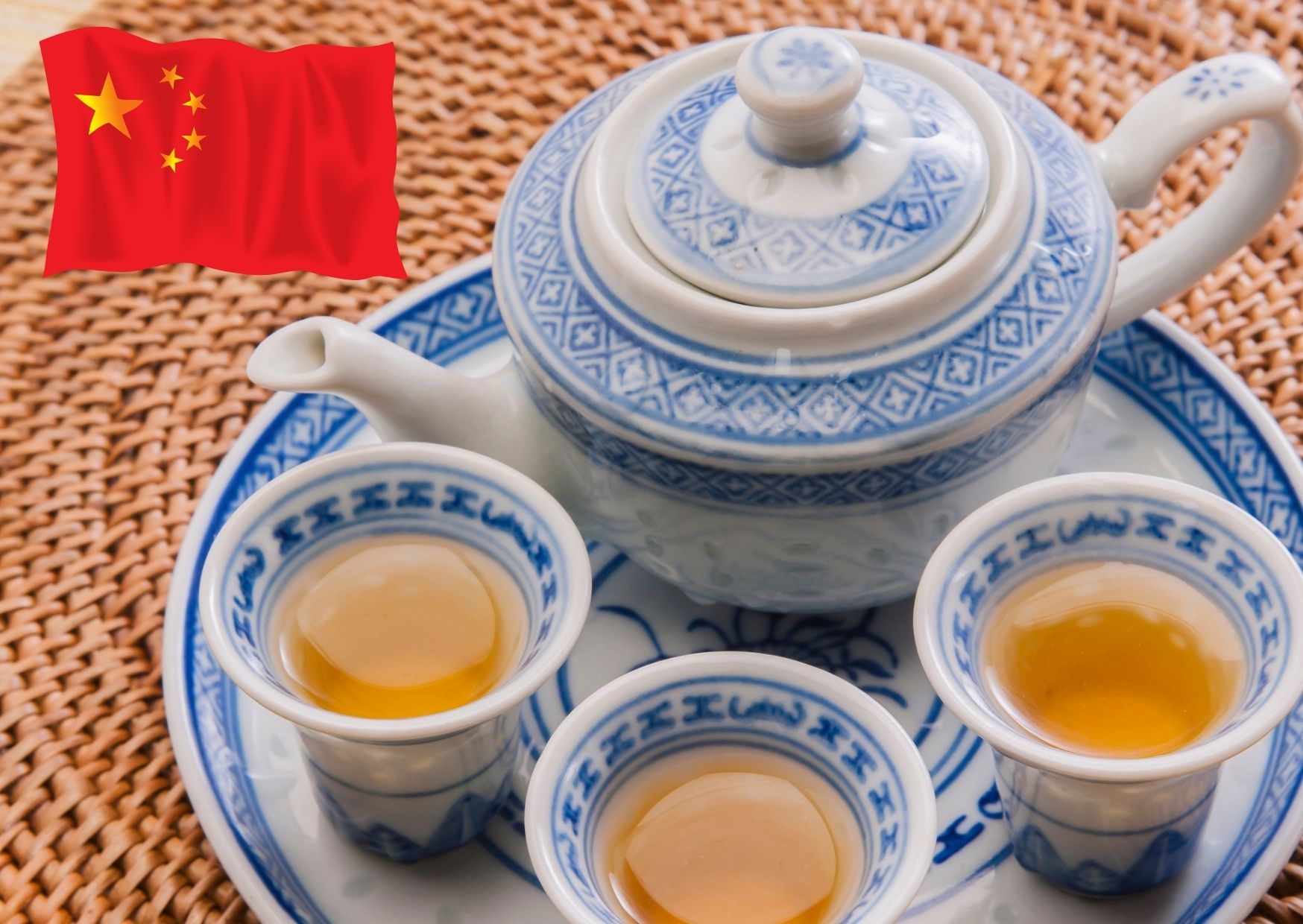
Chinese tea culture is one of the most rewarding parts of travel in China, and it is also one of the easiest to enjoy once you know the basics. If you are choosing China tours with an interest in food, culture, or slow travel, tea is one of the clearest ways to understand everyday life. It is not only a drink. It is a social ritual, a regional identity, and a quiet introduction to the rhythm of the country.
Tea is everywhere in China and yet most travelers leave knowing almost nothing about it. Here is what to drink, where to drink it, and how to avoid the famous tea-house scams.
The six broad families
The first thing to know is that tea in China is not one category. It is a family of styles, each shaped by region, elevation, processing, and tradition. Green tea is fresh and light. Oolong is more complex and aromatic. Black tea, called red tea in China, is smooth and warming. Pu-erh is aged and earthy. White tea is delicate, while yellow tea is rarer and less familiar to most visitors. Once you understand these broad families, tasting tea becomes far more interesting than simply asking for “Chinese tea.”
Where to taste tea well - 3 best places
Hangzhou
One of the best places to start is Hangzhou, home of Longjing, or Dragon Well tea. The region around West Lake is beautiful on its own, but the tea gives it a deeper cultural meaning. You can visit a tea plantation, taste fresh leaves, and understand why this style is so prized. If your trip includes the east coast, a route that pairs Hangzhou with Shanghai is especially elegant. For a broader China trip, the Perfect Two-Week China Itinerary is a natural companion because it helps you place tea culture within a larger journey. This complete Chinese tea activity in Hangzhou is just $55 per person: link to book.
Chongqing
Another excellent tea destination is Chongqing, where pu-erh tea has become one of the most respected tea traditions in China. The old tea-horse routes, the mountain climate, and the relationship between tea and travel all make this region feel especially meaningful. If you are using ChinaTours to explore beyond the big cities, tea culture is a strong reason to spend time in west China.
Tip activity: Elegant Old Street Tea House Experience (only $19 per person)
Beijing
If you are in Beijing, tea can also be part of a much more urban day. Pair this article with the Beijing City Guide for First-Time Visitors, and you can build a day that combines imperial sightseeing with a proper tea tasting. Beijing is also a good place to learn how tea ceremonies work in a modern setting. This matters because tea culture in China is not frozen in time; it lives in homes, offices, parks, and teahouses every day.
The famous scam to avoid
If you are wandering near Wangfujing in Beijing or Nanjing Road in Shanghai and a friendly group of young Chinese students invites you to a tea ceremony or art exhibition, politely decline. The tea-house scam ends with a bill of 100 to 300 USD for a few small cups. Real tea houses post their prices and do not aggressively approach foreigners on tourist streets.
For first-time visitors, the biggest practical warning is the tea-house scam. If strangers approach you in tourist areas and invite you to a ceremonial tasting, be cautious. Real tea shops clearly display their prices, and they do not pressure you into expensive purchases. The best rule is simple: choose a shop yourself, ask to sample before you buy, and trust places that seem calm rather than pushy. Good ChinaTours should help you enjoy the culture, not fall for traps around it.
Tea also carries social meaning in everyday life. Offering tea is a sign of welcome, respect, and calm. In many homes, offices, and restaurants, the teapot stays on the table as part of the conversation rather than as a special performance. Once you notice that rhythm, the drink stops feeling like a souvenir and starts feeling like a key to how people spend time together. That is why tea deserves a place on any serious China tours itinerary.
How to taste tea like a local
Learning how to taste tea properly also makes the experience much better. Smell the dry leaves first. Rinse the cups and the leaves with a very quick first pour, then steep again for the real drink. Notice how the flavor changes over multiple infusions. Tea is one of the few drinks that actively rewards patience, and that slower pace is part of what makes it such an appealing cultural lens.
Step 1: Sniff the dry leaves first.
Step 2: Pour the first short steep over the cups to warm and rinse them; that water is discarded.
Step 3: Steep again for 10 to 30 seconds for oolong and dark teas, and 1 to 2 minutes for greens
Step 4: Then enjoy across multiple infusions.
Each round will taste different; that is the point.
To connect tea with food, read the China Food Bucket List. Many dishes and teas work together in ways that reveal regional preferences, and a meal becomes more interesting when you know what people drink with it. That is one of the reasons China tours can feel so educational: the small details often become the most memorable part of the trip.
If you want to travel better, not just faster, make tea part of the plan. It adds depth, calm, and context to almost every region. And if you want the practical side of the trip to run smoothly while you focus on experiences like tea, start with the China Travel Tips Every First-Timer Should Know in 2026.
One last tip
If your trip includes both food and tea, you will notice how often the two are connected. Strong tea can reset the palate between rich dishes, while lighter teas pair beautifully with delicate snacks and dim sum. That relationship is one more reason China tours feel richer when they are built around local habits instead of only ticking off attractions.