
Planning Beijing for the first time? Here are the best things to do in Beijing, how to group them, what to book ahead, and where a guided tour saves time.
If you are planning your first stop in China, Beijing is still one of the easiest places to start. The short answer is simple: the best things to do in Beijing are to combine imperial landmarks, one Great Wall section, one park or temple, and one slower neighborhood experience, instead of trying to sprint through everything in two rushed days.
That matters because Beijing is not just a checklist city. It is where many travelers get their first real feel for China, from the scale of the Forbidden City to the mountain air above the Mutianyu Great Wall and the morning rhythm of locals exercising in the grounds around the Temple of Heaven. If you plan it well, Beijing feels rich and manageable. If you plan it badly, it becomes traffic, queues, and exhaustion.
If this is your first China trip, start with the practical basics in China Travel Tips Every First-Timer Should Know in 2026, then use this guide to decide what deserves your time on the ground.
Why Beijing is still the best first stop for many travelers
Beijing works because the city gives you several versions of China in one trip. You can spend the morning inside the old imperial capital, the afternoon on a monumental stretch of wall, and the evening in a hutong where daily life feels far more intimate than the postcard image. Few cities offer that range so clearly.
It also works well as a travel base. High-speed rail and major domestic flights make it easy to combine Beijing with Xi'an, Shanghai, or other classic stops. If you are sketching a broader route, pair this article with The Perfect Two-Week China Itinerary.
The best things to do in Beijing, and how to prioritize them
The smart way to plan Beijing is not to chase every famous name. It is to choose the places that show you the city from different angles.
Why it is worth your time
Forbidden City and Tiananmen area
Beijing's imperial core, and the clearest introduction to dynastic China
Start early and check the official Palace Museum visitor information before you go
Mutianyu Great Wall
The most rewarding big-ticket day trip for many first-time visitors
Treat it as at least a half day, not a quick stop
Temple of Heaven
Architecture, symbolism, and everyday local life in one place
Best paired with a slower morning and light walking
Summer Palace
The most elegant break from the dense city center
Good choice if you want scenery, water, and less intensity than the palace complex
Hutongs around Shichahai or Gulou
The human-scale side of Beijing
Go without a packed schedule and leave time to wander
1. Start with the Forbidden City, not because it is famous, but because it gives the city context
Many travelers treat the Forbidden City as a photo stop. That is a mistake. This is the place that explains why Beijing feels so formal, so axial, and so tied to power and ceremony. The UNESCO listing is useful background, but the real value comes from seeing how the scale changes as you move from the outer ceremonial spaces into the more private courts.
Do not try to stack too much onto this day. The palace complex is large, and the surrounding area can already fill your energy budget. If you want a cleaner first day, build it around the imperial center, lunch, and one second stop such as Jingshan Park for the classic view back over the rooftops.
2. Choose one Great Wall section, and for many travelers that should be Mutianyu
There are many ways to see the Great Wall from Beijing, but first-time visitors usually overcomplicate this decision. Unless you have a very specific hiking goal, Mutianyu is often the best balance of scenery, access, and visitor experience. The official Mutianyu site is the best place to confirm current visitor information before you go.
The real planning issue is not which wall section sounds most heroic. It is whether you want your wall visit to feel memorable or rushed. A half day with transfers, ticketing, and photos already goes quickly. If you try to force the Great Wall into a day that also includes too many city attractions, you will turn one of the strongest moments of the trip into a commute.
For travelers who want the least friction, this is one of the clearest places to use a guided day. A well-structured Beijing itinerary can save you from losing hours on transport decisions, queue management, and route confusion. ChinaTours.asia already has a live Beijing tours page that is worth checking if you want to compare options without drifting into low-quality tour clutter.
3. Go to the Temple of Heaven when you want Beijing to feel lived in, not just monumental
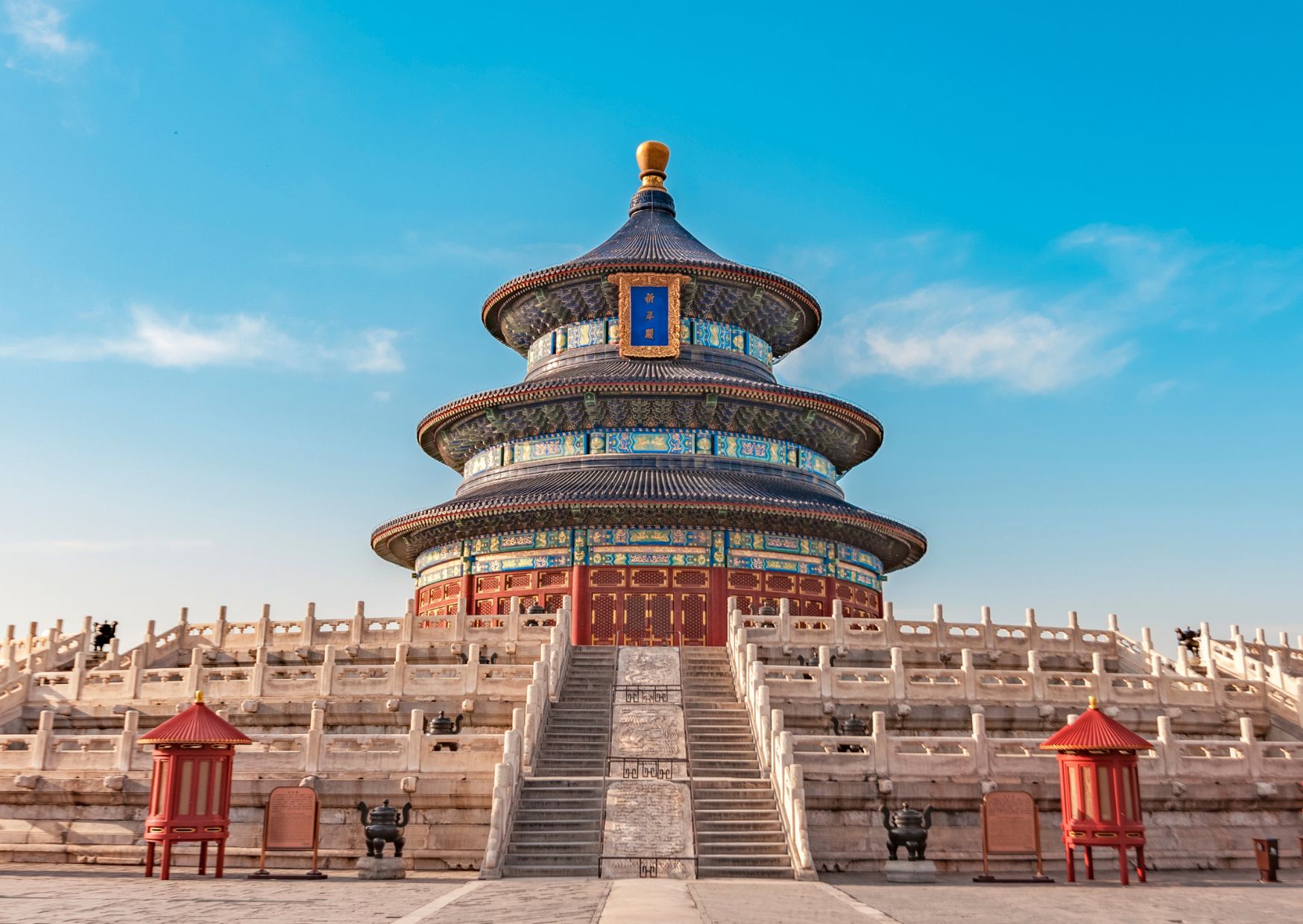
The Temple of Heaven is one of the best-balanced stops in the city because it gives you both grand architecture and ordinary Beijing life. The UNESCO entry explains why the site matters historically, but what many travelers remember most is the atmosphere around it: older residents exercising, singing, chatting, and moving through the park in ways that make the city feel personal instead of staged.
This is why the Temple of Heaven works so well after a dense museum or palace day. It opens the trip up. You get symbolism and history, but you also get air, trees, and room to slow down.
4. Add the Summer Palace if you want beauty, space, and less sensory overload
Not every important Beijing stop needs to feel intense. The Summer Palace gives you a different side of the city: water, long views, pavilions, and a much gentler rhythm than the imperial center. If you already know you get tired from large museum-like sites, this should move higher on your list.
It is also one of the best places to recover from overplanning. That matters more than people admit. First-time China travelers often schedule too aggressively because they think Beijing has to be conquered. It does not. A strong Beijing trip is usually one where you leave a little space in the day.
5. Spend real time in the hutongs, or you will miss the city's most human side
The imperial landmarks explain Beijing's past, but the hutongs explain its texture. Around Shichahai, Gulou, and nearby lanes, the city becomes smaller and more readable. Courtyards, tea houses, local shops, and side streets do more to make Beijing feel memorable than another rushed museum entrance.
This is also where you can connect the trip to culture more naturally. If that appeals to you, A Practical Introduction to Chinese Tea Culture is a useful companion read before or after a hutong afternoon.
6. Let food be part of the itinerary, not an afterthought
A lot of first-time visitors waste Beijing meals on convenience food near major sights. That is avoidable. Beijing is one of the easiest places in China to turn meals into part of the travel experience, whether that means roast duck, noodle dishes, street snacks, or slower regional restaurants.
You do not need a giant food agenda, but you do need intention. A good Beijing day feels better when lunch and dinner are used as resets between major sights. If food is a major reason you travel, read China Food Bucket List: 12 Must-try Chinese Local Dishes before you arrive.
If you only have two full days in Beijing
· Day 1: Forbidden City area, one viewpoint or park, relaxed dinner
· Day 2: Mutianyu Great Wall, then an easy evening in the hutongs
· Swap the wall for the Temple of Heaven and Summer Palace only if you strongly prefer city time over the classic day trip
7. Book ahead where needed, and stop pretending you can improvise everything
This is where many trips go wrong. Beijing rewards curiosity, but it does not reward lazy logistics. For major sights, especially the Palace Museum, check official visitor information in advance and do not assume same-day spontaneity will work. The city is easier than many outsiders think, but it is not forgiving when you arrive with no plan and peak-hour expectations.
That is also why it helps to review the current China visa-free requirements and entry basics before you commit to dates. Operational details change. Hoping they stayed the same is amateur behavior.
8. Use Beijing as the opening act, not the whole story
Beijing is powerful because it frames the rest of a China trip. After Beijing, Xi'an makes more sense. Shanghai feels sharper. Smaller cultural details start landing better. So the right question is not only what to do in Beijing. It is what Beijing helps you understand for the rest of the journey.
If you want a softer landing into the city itself, the existing Beijing City Guide for First-Time Visitors is the best next internal read. If you already know you want help structuring the days, ChinaTours.asia can also help turn the usual Beijing overload into a cleaner route with the right mix of city highlights and day trips.
Conclusion
The best things to do in Beijing are not the longest list of famous names. They are the right mix of imperial history, one Great Wall experience, one slower cultural stop, and enough unstructured time to let the city breathe. For most first-time travelers, that means the Forbidden City, Mutianyu, the Temple of Heaven, the Summer Palace, and time in the hutongs will beat an overstuffed checklist every time.
If you want Beijing to feel exciting instead of exhausting, plan fewer major sights, book the important ones properly, and use ChinaTours.asia when you want a more efficient route on the ground.
FAQ
What is the number one thing to do in Beijing for first-time visitors?
For most first-time travelers, it is seeing the Forbidden City and one section of the Great Wall. Those two experiences give you the clearest sense of Beijing's historical scale and why the city matters.
How many days do you need for Beijing?
Two full days is the minimum if you want the highlights without pure chaos. Three days is better if you want to add the Summer Palace, more hutong time, or a slower food and culture pace.
Is Beijing easy to visit without a tour?
Yes, but only if you plan the logistics properly. Independent travel is very possible, but Beijing becomes much smoother when your route, advance bookings, and transport decisions are handled before the day starts.